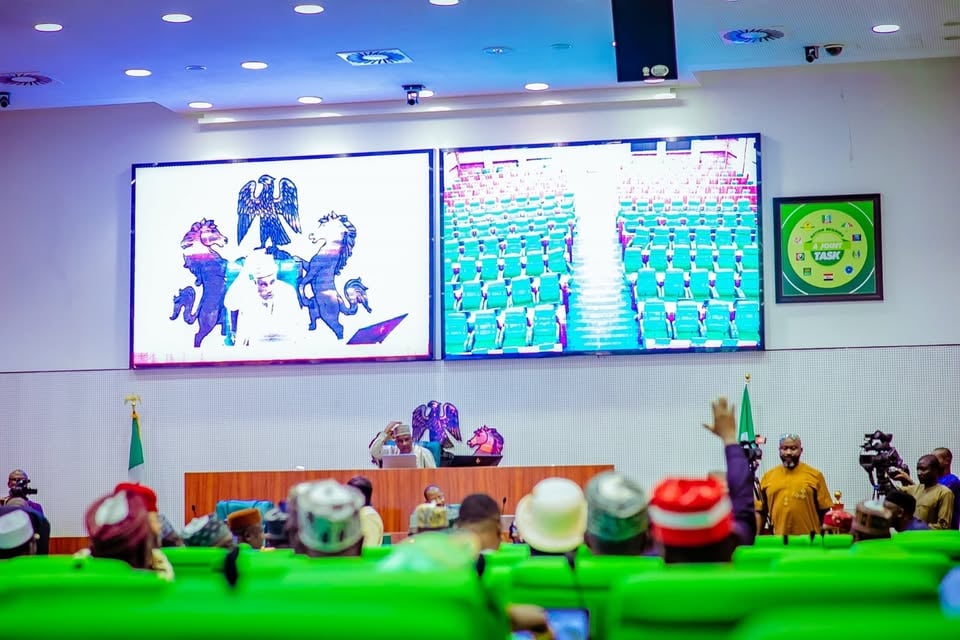
The Speaker of the House of Representatives, Tajudeen Abbas, has pledged the commitment of the parliament to championing reforms bordering on electoral, economic, and security sectors of the country.
He stated this on Tuesday in his welcome address to members of the House, following the resumption from their annual recess, which commenced on July 24, 2025.
There have been calls by eminent Nigerians and civil society groups for the reform of the nation’s electoral laws, particularly in the areas of electronic transmission of results in real time.
In the past few months, mindless killings of hundreds of innocent Nigerians took place in Plateau, Zamfara, Benue and Kwara State, fuelling calls by some citizens for the adoption of state policing to complement the current centralised policing model in the country.
In his address, Abbas reminded the lawmakers not to forget that “The responsibilities before us are substantial, and the progress we have made so far is meaningful but incomplete.”
He continued, “In the coming months, our attention must turn to several urgent priorities. Chief among them is the constitutional amendment. Eighty-seven proposals concerning devolution of powers, local government autonomy, judicial reform, and socio-economic rights await debate and voting.
“We must now complete these votes and transmit the approved amendments to the State Assemblies before the end of December to enable early concurrence ahead of the election period.”
The Speaker also stated that the House must finalise electoral reforms well ahead of the 2027 general elections, saying, “The Electoral Act Amendment Bill seeks not only to strengthen measures against violence, improve access for persons with disabilities, and establish clearer timelines for resolving disputes, but also to reduce the ambiguities that trailed the last elections.
“Our goal is to make elections less contentious and litigious, lower their cost through single-day voting, and make the process of party primaries more democratic and inclusive. Related constitutional changes include provisions for an Electoral Offences Commission. Our goal is to produce a new Electoral Act that stands the test of time. ”
According to him, the Reserved Seats Bill for women is vital to gender inclusion in the political governance of the country, stressing that, “We are all HeForShe in advancing gender inclusion, and how we vote on this bill will shape how history and our daughters remember us.”
Abbas, who represents Zaria Federal Constituency, Kaduna State, further stated that security reforms remain a top priority, while the debate on multi-level policing “Must move from theory to decisive legislative action.”
He added that though state police remains an option, “We must strengthen community policing by revising the Police Act, 2020.
“While Section 19 establishes Community Policing Committees and Section 33(1) vests recruitment in the Inspector-General of Police, the Speaker pointed out that “these provisions centralise too much authority and limit local responsiveness.
“We should consider devolving recruitment, training, and deployment of community police officers to states under federal oversight. This would give states a greater role in shaping their security architecture while preserving national standards and coordination.
On the economy, Mr Speaker said, “We must utilise legislative measures to speed up the implementation of the Start-up Act, vocational training hubs, and technology parks. Equally important is progressive legislation to promote renewable energy, enhance grid reliability, and attract private investment to stabilise power supply and stimulate growth.
“The Nigerian people look up to us for more; they expect deliberate action that improves their daily lives. The Renewed Hope government of President Bola Ahmed Tinubu has pursued reforms to stabilise the economy, enhance security, and attract investment.
“These efforts require a legislature that provides rigorous oversight, crafts sound laws, and engages constructively with all arms of government.”
On the war against insecurity, Abbas argued that “The security agencies have disrupted insurgent networks and rescued abducted citizens. While progress has been made, Nigerians still experience high living costs, underemployment, and insecurity in some areas.
“These challenges present opportunities for us to implement targeted legislative actions and foster ongoing engagement to create a brighter future for all.”