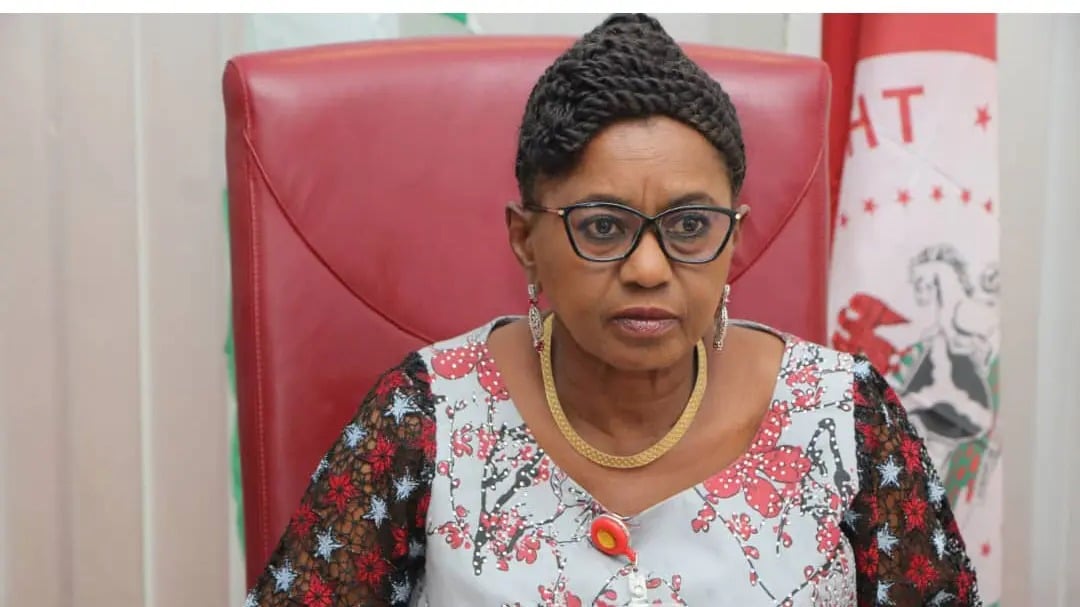
The Chairperson of the Senate Committee on Health (Secondary and Tertiary), Ipalibo Banigo, has called for increased investment in vaccines to safeguard the health and future of Nigerian children.
Speaking at a consultative workshop titled “Why Invest in Immunisation?” on Thursday in Abuja, Banigo emphasised that spending on vaccines translates directly to investing in the nation’s future.
She commended Civil Society Organisations for their continued support of health advocacy, community engagement, and accountability in public health financing, noting that their partnership has been vital to advancing evidence-based health policies.
“Investing in vaccines is investing in our nation’s future. The committee will continue to value the insights CSOs bring to policy dialogues, as they help shape stronger, people-centred decisions,” Banigo said.
The senator assured participants that the National Assembly remains committed to strengthening legislative frameworks to ensure sustainable health financing and improved immunisation coverage nationwide.
Also speaking, the Executive Director of the Vaccine Network for Disease Control, Chika Offor, said immunisation remains one of the most cost-effective public health interventions, preventing diseases, reducing mortality, and contributing to healthier communities and a stronger economy.
Offor stressed that immunisation is not optional but essential to child survival.
“Delayed funding for immunisation programmes puts millions of Nigerian children at risk of diphtheria, meningitis, vaccine stockouts, and other preventable crises,” Offor cautioned.
She called on the Federal Ministry of Finance to release the outstanding ₦108 billion for 2024 and ensure the full release of the ₦231.7 billion allocated for 2025.
Offor also urged state leaders to adopt and adapt frameworks that ensure routine and emergency immunisation funding are embedded in state budgets.
Earlier, public policy expert, Eze Onyekpere, highlighted the need for Nigeria to prioritise immunisation funding through a proposed amendment to the Basic Health Care Provision Fund.
He said the amendment seeks to increase the fund’s resource base from one to two per cent of the Consolidated Revenue Fund and include a dedicated annual allocation for vaccines and related logistics.
Onyekpere noted, however, that the proposed increase must be “ring-fenced” to guarantee consistent immunisation financing, independent of political lobbying or annual budget fluctuations.
He also stressed that access to immunisation forms part of Nigeria’s obligations under international human rights treaties, including the African Charter on Human and Peoples’ Rights and the Convention on the Rights of the Child.
Reports that Nigeria continues to grapple with gaps in routine immunisation coverage despite years of donor and government interventions.
With the country expected to take on a greater share of vaccine financing as donor support winds down, experts and lawmakers have stressed the need for stronger domestic funding mechanisms to sustain immunization gains and prevent disease outbreaks