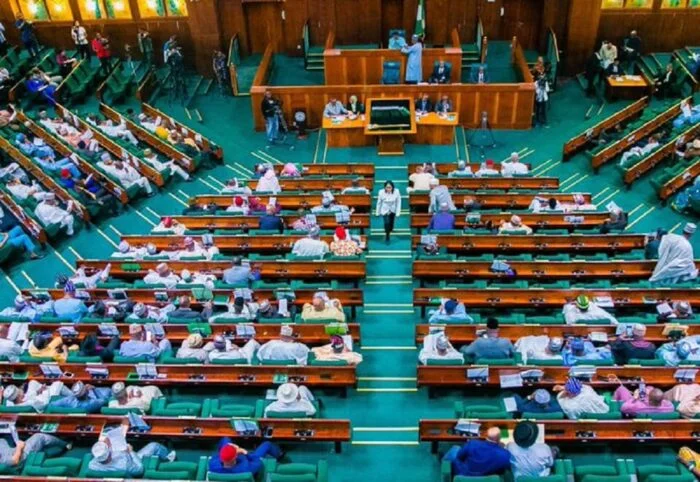
The Speaker of the House of Representatives, Tajudeen Abbas, has reaffirmed the parliament’s determination to overhaul Nigeria’s electricity sector and tackle the persistent challenges that have undermined it for nearly two decades.
Abbas made this known on Thursday in Abuja at the opening of a legislative investigation into the country’s power sector reforms.
Represented by the Chairman of the House Committee on Environment, Mike Etaba, the Speaker lamented the deterioration of the electricity industry despite several reform initiatives. He said the 10th House would work closely with relevant government agencies to strengthen power infrastructure and improve service delivery nationwide.
According to him, electricity remains “the lifeblood of modern civilisation,” with direct implications for industrial productivity, social services, and national economic performance.
He noted that despite billions invested and multiple policy interventions since power sector reforms began, Nigerians still grapple with unreliable supply, poor infrastructure, and rising tariffs.
Abbas explained that the House has constituted an Ad-hoc Committee to examine every factor hindering progress in the sector and recommend actionable solutions.
“As part of our constitutional oversight responsibility, we owe Nigerians an obligation to ensure that the reforms intended to enhance service delivery, increase capacity, and improve infrastructure are not merely theoretical but are implemented effectively,” he said.
The Speaker posed several questions that the investigation hopes to answer: “Have these reforms fulfilled their promises? Have they led to the expected improvements? And most importantly, have they been executed with integrity and in the best interest of our citizens?”
He encouraged committee members to carry out their work with diligence and openness, and to engage widely with stakeholders. He added that the outcome of the investigation should align with global trends toward sustainable and modern energy solutions, referencing Sustainable Development Goal 7, which advocates universal access to affordable and clean energy.
Nigeria’s modern electricity reforms formally began with the Electric Power Sector Reform Act of 2005, which aimed to privatise the state-owned National Electric Power Authority (NEPA) and introduce private-sector participation. The Act established key institutions—the Nigerian Electricity Regulatory Commission and the Rural Electrification Agency—and mandated the unbundling of NEPA into generation, transmission, and distribution companies.
Between 2010 and 2013, the Federal Government undertook large-scale privatisation, selling off generation and distribution companies to private investors while retaining ownership of the Transmission Company of Nigeria. The reforms were expected to increase investment, expand capacity, and end chronic power shortages.
However, persistent issues—including weak transmission infrastructure, liquidity crises, gas supply constraints, tariff shortfalls, technical losses, and governance problems—have continued to undermine progress.
Over the past 17 years, Nigerians have endured recurring blackouts despite federal intervention funds, World Bank support, and multiple policy adjustments. The gap between installed capacity and actual delivered power has remained wide, and many homes and businesses rely on generators, leading to high economic and environmental costs. These unresolved problems form the backdrop to the latest parliamentary investigation.
Also speaking, the Chairman of the Ad-hoc Committee, Ibrahim Aliyu, stated that the panel has been tasked with conducting a comprehensive audit of power sector reforms and expenditures from 2007 to 2024, in line with Sections 88 and 89 of the 1999 Constitution. He noted that while reforms were launched to modernise the sector and stimulate economic growth, the situation on the ground tells a different story.
“Our mandate is clear: to trace the flow of funds, assess policy implementation, and evaluate the effectiveness of projects and initiatives undertaken during this period,” he said, adding that the findings would expose inefficiencies, waste, and corruption, while highlighting both successes and systemic failures.
Aliyu emphasised that the committee will engage with government agencies, private operators, civil society, and the public to build a transparent and credible process, ultimately producing a framework that protects public resources and delivers improved electricity supply for all Nigerians.