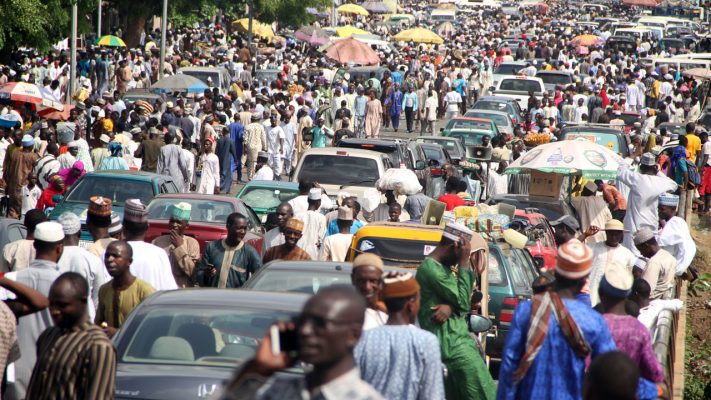
Former presidential candidate of the Peoples Democratic Party, Atiku Abubakar, has expressed concern over the deepening poverty level in the country, describing it as one of the nation’s greatest challenges.
In a statement on his X handle on Saturday to mark the International Day for Poverty Eradication, Atiku lamented that Nigeria remains among the countries hardest hit by poverty despite its abundant human and natural resources.
The former Vice President said poverty has continued to fuel other societal problems such as disease, ignorance, insecurity, and hopelessness, calling for urgent and people-centred interventions to address the crisis.
“Poverty is the greatest enemy that humanity has ever known. Wherever it takes root, whether in the life of an individual or across a society, it breeds other troubles like disease, ignorance, insecurity, and hopelessness,” he said.
Atiku described the commemoration as “a timely reminder and a call to action,” urging governments at all levels, civil society organisations, and stakeholders to work together in implementing sustainable solutions that would empower citizens and lift communities out of poverty.
“At both government and community levels, we must take the fight against poverty to every home, every community, and every school so that the ordinary Nigerian becomes part of the solution,” he added.
Quoting a Nigerian proverb, Atiku said, “When the poor man is hungry, peace sleeps outside,” stressing that ending poverty is essential to restoring freedom, dignity, and peace in the country.
Atiku’s statement followed a World Bank Nigeria Development Update report, which revealed that 139 million Nigerians still live in poverty, amid food inflation and insecurity.
The bank’s Country Director for Nigeria, Mathew Verghis, said this recently at an event in Abuja.
He said, “In 2025, we estimate that 139 million Nigerians live in poverty. The challenge is clear: how to translate the gains from the reforms into better living standards for all.
“Many households continue to face hardship, with poverty and food insecurity remaining high.
“Food inflation remains a major concern: poor households—who spend up to 70 per cent of their income on food—have seen the cost of a basic food basket rise fivefold between 2019 and 2024.”